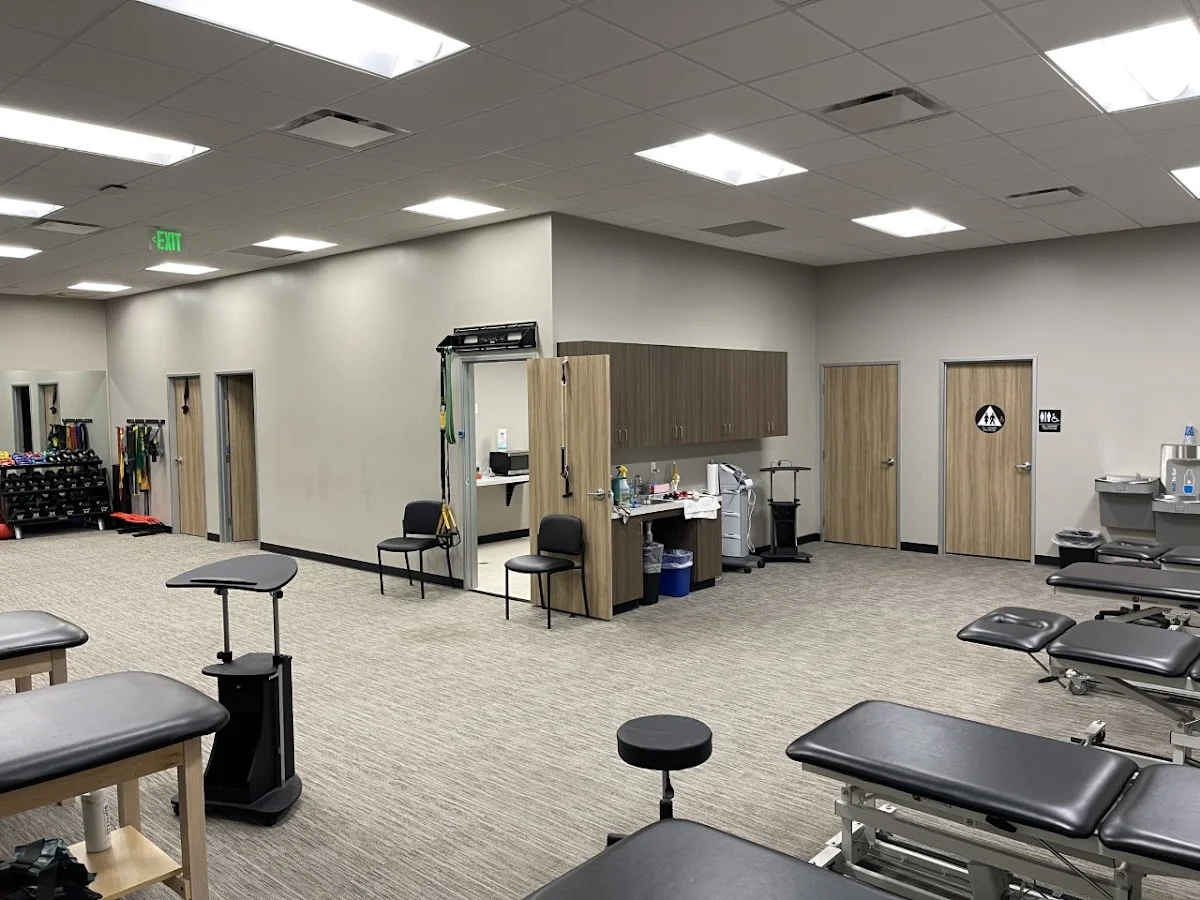
Finding a detox center that accepts Medi-Cal in Long Beach can feel overwhelming, but it's absolutely possible. This guide will break down how Medi-Cal covers detox, what to expect, and where to find help right here in our community. Remember, taking the first step towards recovery is a sign of strength, and you don't have to do it alone.
How Medi-Cal Covers Detox in Long Beach
Medi-Cal, California's Medicaid program, offers coverage for substance use disorder (SUD) treatment, including detoxification. However, understanding the specifics of what's covered is crucial.
What is Covered?
- Medically Supervised Detox: This is often covered, as it involves medical professionals (doctors, nurses) monitoring withdrawal symptoms and providing medication to manage them. This is especially important for alcohol, opioids, and benzodiazepines, where withdrawal can be dangerous.
- Medication-Assisted Treatment (MAT): MAT uses medications like buprenorphine (Suboxone), naltrexone (Vivitrol), or methadone (for opioid use disorder) to reduce cravings and withdrawal symptoms. Medi-Cal generally covers these medications when prescribed by a qualified provider.
- Mental Health Services: Detox often includes mental health assessments and counseling, which are typically covered by Medi-Cal. Addressing co-occurring mental health conditions (like anxiety or depression) is vital for long-term recovery.
- Residential Detox: Medi-Cal often covers the cost of staying at a licensed residential detox facility, which provides a safe and supportive environment.
What Might Not Be Covered?
- Luxury Amenities: While Medi-Cal covers essential treatment services, it typically doesn't cover luxury amenities like private rooms, gourmet meals, or spa treatments that some high-end detox centers offer.
- Certain Alternative Therapies: Some alternative therapies, like acupuncture or massage, may not be covered unless specifically deemed medically necessary by a Medi-Cal provider.
Medically Supervised Detox vs. Social Detox
It's important to understand the difference between medically supervised detox and social detox:
- Medically Supervised Detox: This is essential for individuals withdrawing from alcohol, opioids, or benzodiazepines due to the potential for severe, even life-threatening, withdrawal symptoms. It involves medical monitoring, medication management, and 24/7 support from healthcare professionals.
- Social Detox: This provides a supportive, non-medical environment for individuals withdrawing from substances where withdrawal symptoms are generally less medically dangerous (e.g., stimulants like cocaine or methamphetamine). It focuses on peer support, counseling, and a safe place to stay. While less medically intensive, it still provides a crucial service.
Verifying Your Medi-Cal Benefits for Detox in Long Beach
Before entering a detox program, it's essential to verify your Medi-Cal benefits. Here's how:
- Contact Your Medi-Cal Plan: If you have a managed care plan (e.g., Health Net, Molina Healthcare), call the member services number on your insurance card. Ask specifically about coverage for substance use disorder treatment, including detox, at facilities in Long Beach.
- Contact the Los Angeles County Department of Mental Health (LACDMH): LACDMH can help you navigate the Medi-Cal system and connect you with detox providers. Their Substance Abuse Service Helpline (SASH) can be a valuable resource. You can find their contact information on the LACDMH website.
- Ask the Detox Center: Most detox centers will verify your Medi-Cal benefits for you. Provide them with your Medi-Cal information, and they will contact your plan to confirm coverage.
The Intake Process at a Detox Center
The intake process at a detox center typically involves:
- Initial Assessment: A counselor or intake specialist will ask you about your substance use history, medical history, mental health history, and any other relevant information.
- Physical Examination: A nurse or doctor will conduct a physical examination to assess your overall health and identify any potential medical complications.
- Mental Health Evaluation: A mental health professional may conduct an evaluation to assess for any co-occurring mental health conditions.
- Development of a Treatment Plan: Based on the assessments, a treatment plan will be developed that outlines your detox goals, treatment interventions, and aftercare plan.
- Financial Arrangements: The center will verify your Medi-Cal coverage and discuss any potential out-of-pocket costs (though these are usually minimal or non-existent with Medi-Cal).
What Detox Feels Like: Alcohol, Opioids, and Meth
Detox experiences vary depending on the substance used, the length of use, and individual factors. Here's a general overview:
Alcohol Detox
Alcohol withdrawal can be dangerous and even life-threatening. Symptoms can range from mild anxiety and tremors to severe seizures and delirium tremens (DTs). Medically supervised detox is crucial. Common symptoms include:
- Anxiety
- Tremors (shaking)
- Sweating
- Nausea and vomiting
- Headache
- Insomnia
- Seizures (in severe cases)
- Hallucinations (in severe cases)
Opioid Detox
Opioid withdrawal is intensely uncomfortable but usually not life-threatening (though complications can arise). Symptoms can include:
- Muscle aches and pains
- Sweating
- Runny nose and watery eyes
- Yawning
- Anxiety and irritability
- Insomnia
- Nausea, vomiting, and diarrhea
- Abdominal cramps
Medication-assisted treatment (MAT) with medications like buprenorphine or methadone can significantly reduce the severity of opioid withdrawal symptoms.
Meth Detox
Methamphetamine withdrawal is primarily psychological, with intense cravings, depression, and fatigue. While not typically medically dangerous, the psychological symptoms can be overwhelming. Common symptoms include:
- Intense cravings
- Depression
- Fatigue
- Anxiety and irritability
- Insomnia or hypersomnia (excessive sleepiness)
- Increased appetite
- Paranoia and hallucinations (in some cases)
Length of Stay in Detox
The length of stay in detox varies depending on the substance used, the severity of withdrawal symptoms, and individual needs. Generally, detox programs last between 3 and 10 days. Alcohol and opioid detox may require a longer stay due to the potential for more severe withdrawal symptoms.
Transitioning from Detox to Sober Living or Treatment
Detox is only the first step in the recovery process. It's crucial to have a plan for aftercare, such as:
- Sober Living: Sober living homes provide a supportive, drug-free environment where individuals can continue their recovery journey.
- Residential Treatment: Residential treatment programs offer more intensive therapy and support than sober living.
- Outpatient Treatment: Outpatient treatment allows individuals to live at home while attending therapy and support groups.
- Individual Therapy: Working with a therapist can help individuals address underlying issues that contribute to their addiction.
- Support Groups: Support groups like Alcoholics Anonymous (AA) or Narcotics Anonymous (NA) provide a sense of community and support.
Your detox center will work with you to develop an aftercare plan that meets your individual needs.
Specific Programs Available in Long Beach That Accept Medi-Cal
Finding specific detox centers that accept Medi-Cal can require some research. It's best to call the facilities directly to confirm their current Medi-Cal acceptance status, as this can change. Here are some potential options in or near Long Beach. Note: This is not an exhaustive list and you should always verify Medi-Cal acceptance directly with the facility.
- Tarzana Treatment Centers (nearby in Los Angeles County): TTC offers a range of addiction treatment services, including detox, and may accept Medi-Cal. It's essential to verify with them directly.
- Prototypes (nearby in Los Angeles County): Prototypes specializes in women's addiction treatment and may accept Medi-Cal.
- Pacific Clinics (various locations in Los Angeles County): Pacific Clinics offers mental health and substance use disorder services and may have Medi-Cal options.
- Search online for "Medi-Cal detox Long Beach" or "Medi-Cal substance use treatment Long Beach" to find more options.
Important: Always call the facilities directly to confirm their Medi-Cal acceptance and availability.
What to Do If You Are Uninsured
If you are uninsured, you may still be able to access detox services through:
- Medi-Cal Application: Apply for Medi-Cal as soon as possible. You may be eligible for retroactive coverage.
- County-Funded Programs: The Los Angeles County Department of Mental Health (LACDMH) offers substance use disorder treatment services to eligible residents, regardless of their ability to pay. Contact LACDMH's Substance Abuse Service Helpline (SASH) for information.
- Non-Profit Organizations: Some non-profit organizations offer free or low-cost addiction treatment services.
- Sliding Scale Fees: Some detox centers offer sliding scale fees based on income.
Remember, help is available. Don't let a lack of insurance prevent you from seeking the treatment you need