Navigating college life is challenging enough, but for students in recovery, the journey presents unique hurdles. The party culture, academic pressures, and newfound independence can create a perfect storm of triggers. Fortunately, California State University Long Beach (CSULB) and its surrounding community offer a supportive network of sober living options, recovery programs, and resources designed to help students thrive academically and maintain their sobriety. This guide will help you navigate the landscape of recovery support near CSULB, offering practical advice for balancing your studies with your sobriety.
The Unique Challenges of College Students in Recovery
College is often portrayed as a time of experimentation and carefree living, a narrative that can be incredibly isolating for students in recovery. Some of the specific challenges include:
- Peer Pressure: The pervasive party culture and social expectations can make it difficult to avoid alcohol and other substances.
- Stress and Academic Pressure: The demands of coursework, exams, and maintaining a good GPA can lead to stress and anxiety, which can be triggering for some.
- Isolation and Loneliness: Feeling different from peers or struggling to find sober social activities can lead to feelings of isolation and loneliness.
- Newfound Independence: For many students, college is the first time they've lived away from home, creating both freedom and responsibility. Without the structure of home, maintaining sobriety can be more challenging.
- Accessibility of Substances: College campuses and surrounding areas often have easy access to alcohol and other drugs, increasing the risk of relapse.
Sober Living Homes Near CSULB
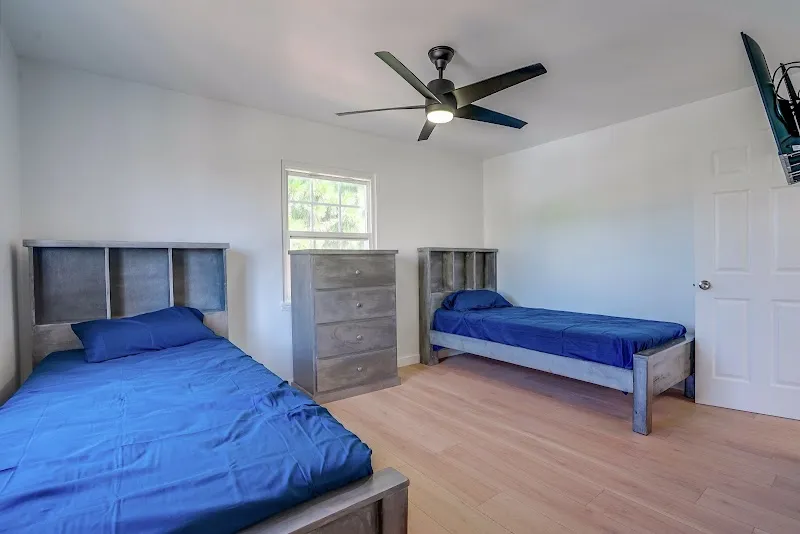
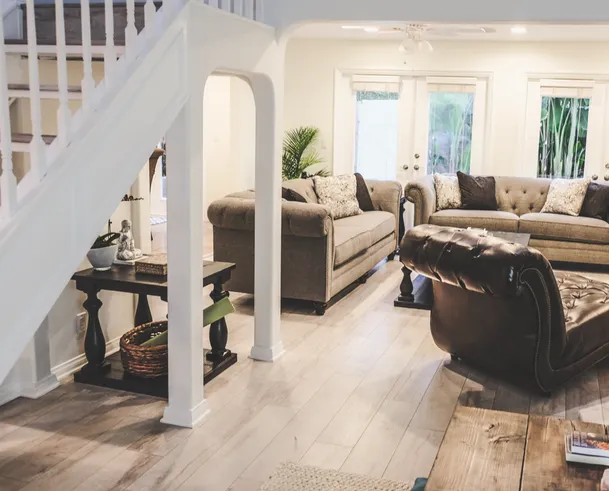
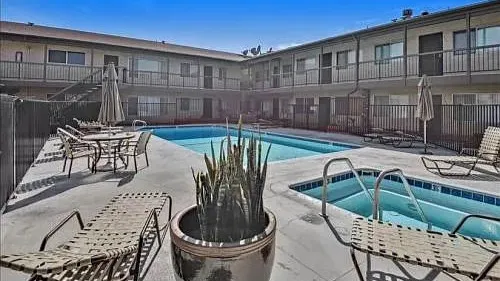
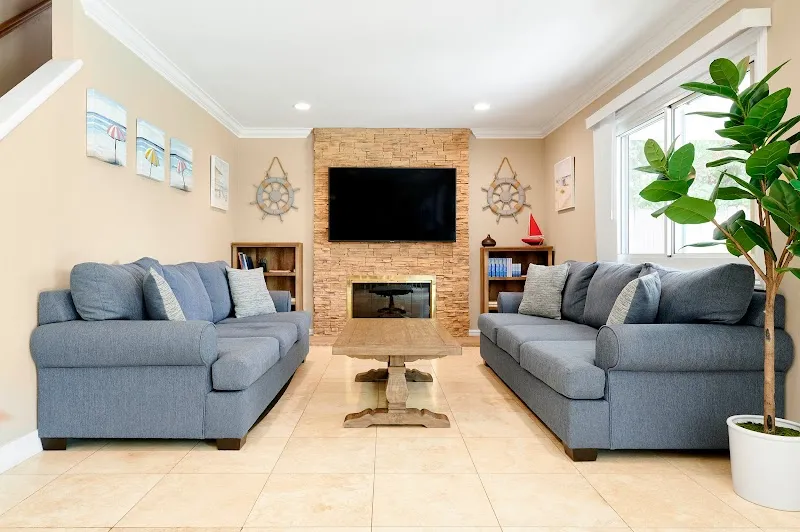
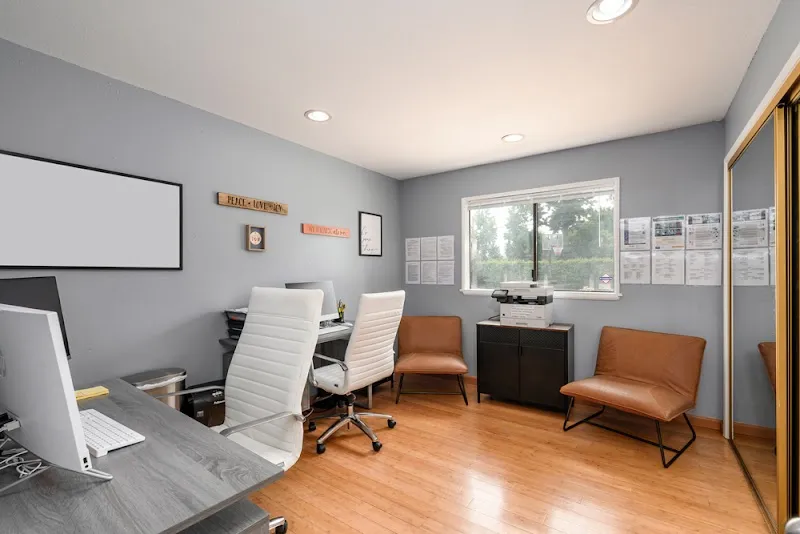
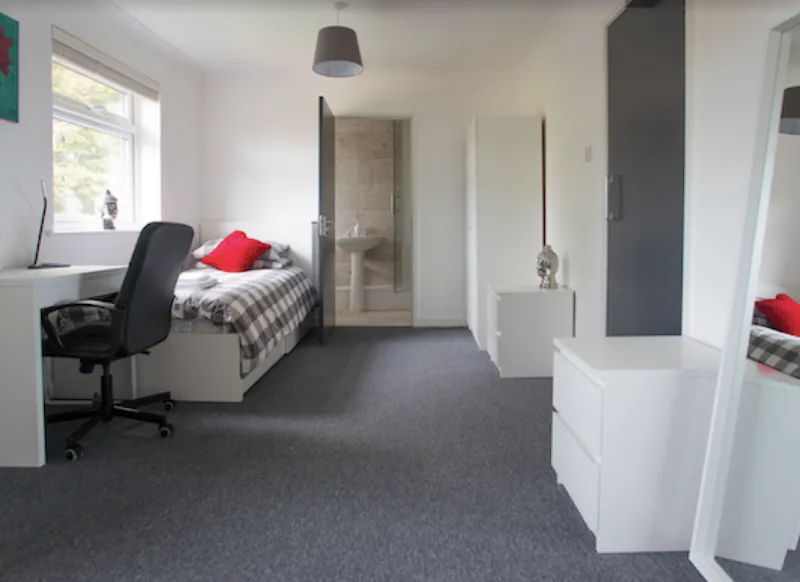
Sober living homes provide a structured, supportive environment for individuals in early recovery. They offer a safe place to live with others who are committed to sobriety, along with rules, accountability, and often, access to recovery support services. While availability can change, here are some considerations for sober living options near CSULB:
Walking/Biking Distance Considerations:
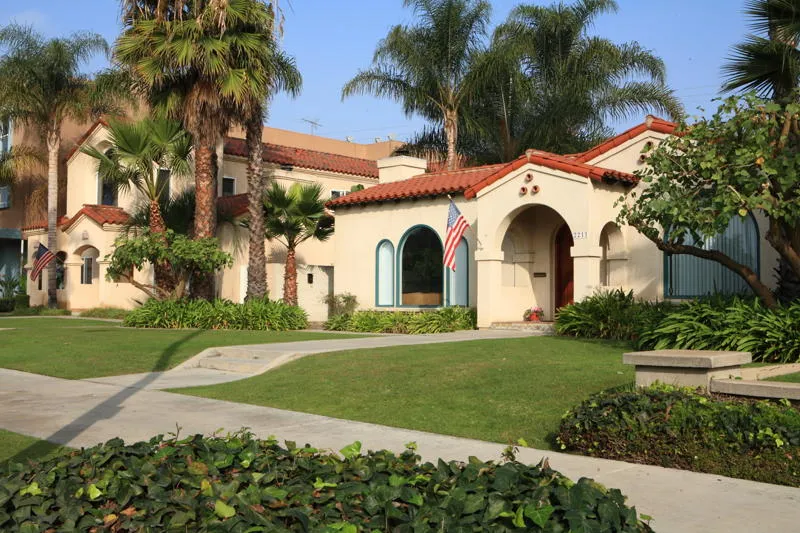
Living within walking or biking distance to campus is ideal for convenience and integration into campus life. Neighborhoods like Belmont Heights, Belmont Shore, and parts of University Park are within reasonable biking distance (10-20 minutes). Bixby Knolls is further, requiring a car or public transportation.
Important Note: Due to the sensitive nature of sober living environments and privacy concerns, specific addresses and real-time vacancy information are generally not publicly available. You will need to contact referral services or recovery organizations to get the most up-to-date listings and availability. It is crucial to carefully vet any sober living home to ensure it aligns with your needs and values.
General Guidance for Finding Sober Living:
- Referral Services: Contact local addiction treatment centers or recovery organizations in Long Beach. They often have lists of reputable sober living homes.
- Online Directories: SAMHSA's Behavioral Health Treatment Services Locator is a valuable resource for finding treatment and recovery support services. While it may not list specific sober living homes, it can connect you with organizations that do.
- Ask Questions: When contacting a sober living home, ask about their rules, staff qualifications, recovery support services, cost, and length of stay requirements.
- Visit the Home: If possible, visit the home before committing to living there. This will allow you to meet the residents and staff and get a feel for the environment.
Neighborhood Considerations
Choosing a sober living home also means choosing a neighborhood. Here's a quick look at the areas near CSULB:
- Belmont Shore: Lively beach town with restaurants, shops, and bars. Could be triggering for some, but also offers a strong sense of community and outdoor activities.
- Belmont Heights: More residential than Belmont Shore, but still close to the beach and amenities. Quieter and potentially less triggering.
- University Park: Primarily residential, close to campus, and generally quieter. A good option for students who prioritize proximity to classes.
- Bixby Knolls: A bit further from campus, with a more suburban feel. Offers a mix of housing options and a quieter environment. Requires transportation to campus.
CSULB Collegiate Recovery Community (CRC) and Support Groups
CSULB offers a Collegiate Recovery Community (CRC) that provides a safe and supportive environment for students in or seeking recovery from substance use disorders. The CRC aims to foster academic success, personal growth, and a sense of belonging. Look for information about the CRC on the CSULB student services website, or by contacting the student health center.
Key features of a CRC often include:
- Peer Support Meetings: Regular meetings where students can share their experiences, offer support, and build connections.
- Sober Social Activities: Opportunities to socialize and have fun without alcohol or other drugs.
- Academic Support: Resources to help students succeed academically, such as tutoring, study groups, and time management workshops.
- Recovery Coaching: Individualized support from trained professionals or peer mentors.
- Educational Workshops: Workshops on topics related to recovery, such as relapse prevention, stress management, and healthy coping skills.
Balancing Academics with Sobriety
Maintaining sobriety while navigating the demands of college requires a proactive and strategic approach:
- Prioritize Recovery: Make recovery your top priority. Attend meetings regularly, connect with your support network, and practice self-care.
- Time Management: Create a schedule that includes time for classes, studying, recovery activities, and relaxation. Avoid procrastination and break down large tasks into smaller, more manageable steps.
- Set Boundaries: Learn to say no to social situations that could compromise your sobriety. Surround yourself with supportive friends who respect your recovery.
- Seek Academic Support: Take advantage of academic resources such as tutoring, writing centers, and study groups. Don't be afraid to ask for help from professors or classmates.
- Manage Stress: Find healthy ways to manage stress, such as exercise, meditation, yoga, or spending time in nature. Avoid using substances as a coping mechanism.
- Communicate with Professors: If you're comfortable, consider informing your professors about your recovery. They may be able to offer accommodations or support if you're struggling.
Financial Aid and Student Housing Considerations
Financing sober living and college can be a significant concern. Explore these options:
- Financial Aid: Apply for federal and state financial aid programs, such as Pell Grants and Cal Grants. Complete the FAFSA (Free Application for Federal Student Aid) to determine your eligibility.
- Scholarships: Research scholarships specifically for students in recovery. Many organizations offer scholarships to help students pursue their education.
- Sober Living Scholarships: Some sober living homes offer scholarships or financial assistance to residents. Inquire about these opportunities when contacting potential homes.
- Student Loans: Consider taking out student loans to cover the cost of tuition and living expenses. However, be mindful of the repayment terms and interest rates.
- On-Campus Housing: Explore on-campus housing options. While not specifically designated for recovery, some students find that living in a structured environment with Resident Advisors can be beneficial. Communicate your needs to housing staff if possible.
- Off-Campus Housing with Sober Roommates: Consider finding off-campus housing with other students in recovery. This can provide a supportive living environment and reduce the risk of relapse.
Local Resources in Long Beach
Beyond CSULB's CRC, Long Beach offers a wealth of recovery resources:
- Alcoholics Anonymous (AA) and Narcotics Anonymous (NA): Numerous meetings are held throughout Long Beach. Find meeting schedules online or through the AA/NA hotline.
- SMART Recovery: An alternative to AA/NA that focuses on self-empowerment and evidence-based techniques.
- Addiction Treatment Centers: Several reputable addiction treatment centers in Long Beach offer a range of services, including detox, residential treatment, and outpatient therapy.
- Mental Health Services: Access mental health services through CSULB's Counseling and Psychological Services (CAPS) or through community-based mental health providers.
- Long Beach Department of Health and Human Services: This department offers a variety of services related to substance abuse prevention and treatment.
- The LGBTQ Center Long Beach: Provides specialized support and resources for LGBTQ individuals in recovery.
Remember, recovery is a journey, not a destination. Be patient with yourself, celebrate your successes, and don't be afraid to ask for help when you need it. CSULB and the Long Beach community are here to support you every step of the way.