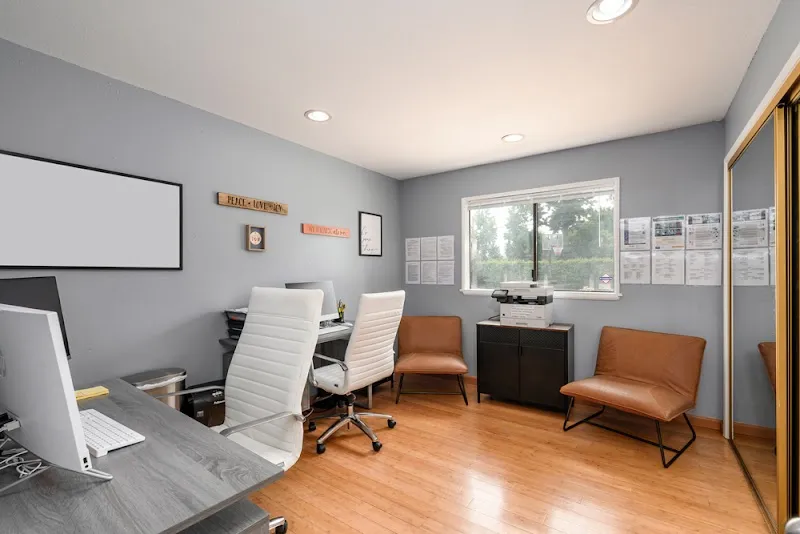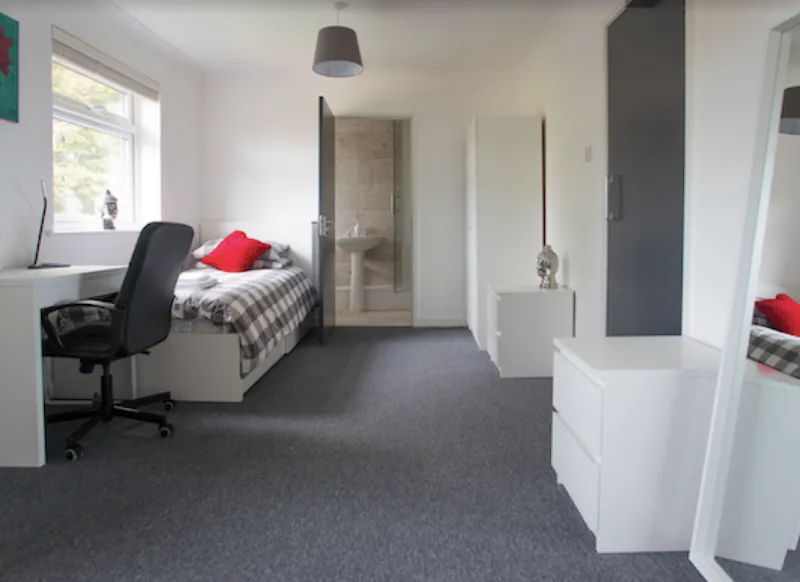
Finding a supportive sober living environment is a crucial step in the recovery journey. The areas surrounding Signal Hill and Lakewood, California, including nearby Long Beach, offer a wealth of sober living homes and recovery resources. The prevalence is due to several factors, making these communities attractive for individuals seeking a structured and supportive environment.
Why Signal Hill, Lakewood, and Long Beach Are Popular for Sober Living
The popularity of these areas for sober living stems from a combination of factors:
- Proximity to Recovery Resources: Long Beach, in particular, boasts a high concentration of addiction treatment centers, outpatient programs, therapists specializing in addiction, and a vibrant AA/NA community. This makes it easier for residents to access the support they need.
- Established Recovery Community: The presence of numerous sober living homes has fostered a strong recovery community. This provides residents with a built-in support system of peers who understand their struggles and triumphs.
- Transportation Options: The area is well-served by public transportation, including the Long Beach Transit bus system, making it easier for residents to access jobs, meetings, and other essential services, even without a car. Major thoroughfares like the 405 freeway also offer access to more regional amenities.
- Job Opportunities: Long Beach and surrounding areas offer a diverse range of employment opportunities, which is crucial for residents to rebuild their lives and gain financial independence. From retail and service jobs to more skilled positions, there are options for individuals at various stages of their careers.
- Safe and Supportive Environment: While no area is without its challenges, Signal Hill and Lakewood generally offer a relatively safe and supportive environment for individuals in recovery. These are primarily residential areas with active community organizations.
- Recreational Activities: Access to beaches, parks like Heartwell Park in Lakewood, and other recreational activities provides healthy outlets for stress relief and social interaction. This promotes overall well-being and helps residents develop a balanced lifestyle.
Typical Costs and Financial Considerations
The cost of sober living in the Signal Hill, Lakewood, and Long Beach areas typically ranges from $600 to $2,000 per month. This range depends on several factors, including:
- Location: Homes closer to the beach or in more desirable neighborhoods may command higher prices.
- Amenities: Homes offering additional amenities such as private rooms, gourmet meals, or on-site therapy may be more expensive.
- Structure and Supervision: More structured homes with higher levels of supervision and mandatory drug testing tend to be pricier.
- Room Occupancy: Shared rooms are generally more affordable than private rooms.
Before committing to a sober living home, it’s essential to inquire about all costs involved, including:
- Rent: The base monthly fee.
- Security Deposit: Typically equal to one month's rent.
- Drug Testing Fees: Whether drug tests are included in the rent or charged separately.
- Move-in Fees: Some homes may charge a one-time move-in fee.
- Utility Costs: Whether utilities are included or shared among residents.
It's important to discuss payment options and understand the home's policies regarding late payments or missed rent. Some homes may offer payment plans or accept financial assistance from outside sources.
Proximity to Services and Transportation
The convenience of accessing essential services is a major draw for sober living residents in this area. Here's a breakdown:
- AA/NA Meetings: Long Beach and the surrounding areas host numerous AA and NA meetings daily, often within walking distance or a short bus ride from most sober living homes. Websites like AA-meeting.com and NA.org list meeting schedules and locations. There are meetings at various times and days, catering to different schedules.
- Outpatient Programs: Several reputable outpatient programs are located in Long Beach, offering a range of services, including individual therapy, group therapy, and medication-assisted treatment. Some well-regarded programs include the Tarzana Treatment Centers' Long Beach location and programs offered through MemorialCare hospitals.
- Medical Facilities: Major hospitals like Long Beach Memorial Medical Center and St. Mary Medical Center are easily accessible, providing comprehensive medical care.
- Grocery Stores and Pharmacies: Grocery stores like Ralphs, Vons, and Trader Joe's, as well as pharmacies like CVS and Walgreens, are conveniently located throughout the area.
- Employment Opportunities: The area boasts a diverse job market, with opportunities in retail, hospitality, healthcare, and other sectors. Many sober living homes offer assistance with job searching and resume writing.
- Public Transportation: The Long Beach Transit system provides extensive bus service throughout the area, connecting residents to jobs, meetings, and other essential services. The Metro A Line (formerly Blue Line) also connects Long Beach to downtown Los Angeles.
Choosing the Right Sober Living Home: What to Look For
Selecting the right sober living home is crucial for a successful recovery. Consider the following factors:
- Accreditation and Licensing: Check if the home is accredited by a reputable organization, such as the California Department of Health Care Services (DHCS), although licensing is not always mandatory. Accreditation indicates that the home meets certain standards of safety and quality.
- House Rules and Structure: Understand the house rules and structure, including curfews, mandatory meetings, drug testing policies, and consequences for violations. Ensure that the rules align with your recovery goals.
- Staffing and Supervision: Inquire about the level of staffing and supervision provided. Are there house managers on-site 24/7? What are their qualifications and experience in addiction recovery?
- Resident Demographics: Consider the demographics of the residents. Are they primarily men or women? What is the average age? Do they share similar backgrounds and recovery goals?
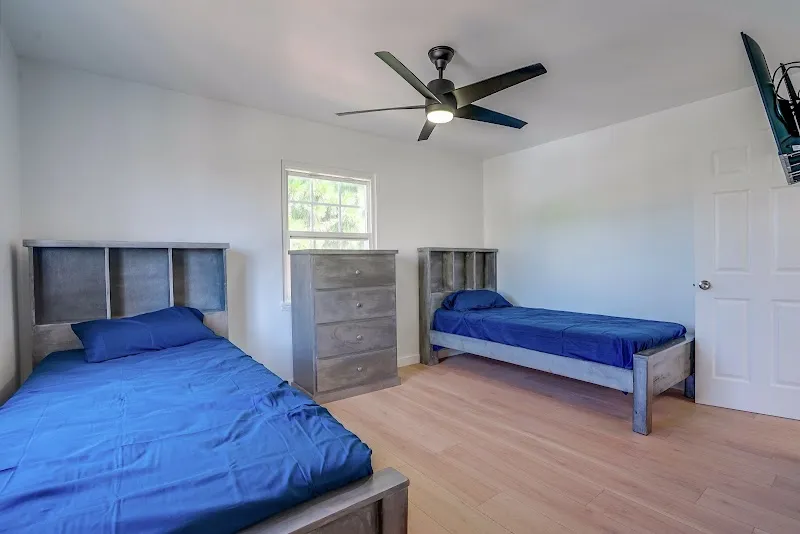
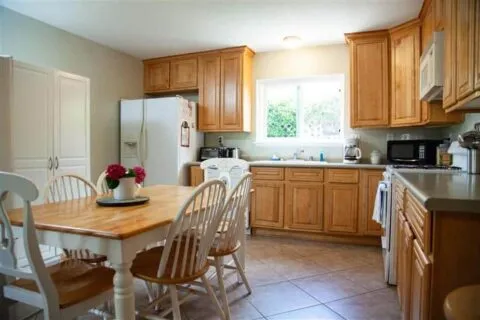
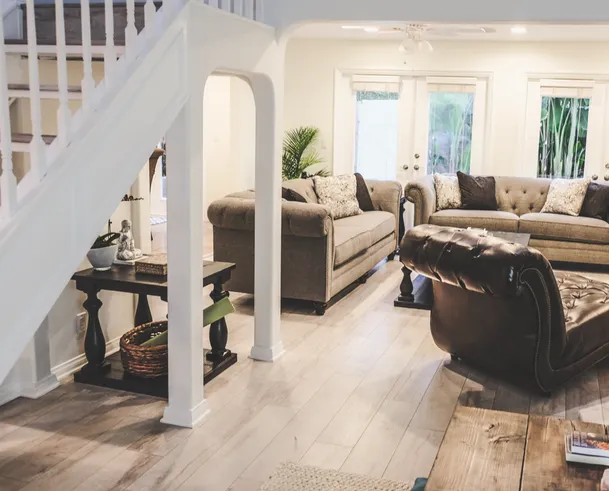
- Amenities and Living Conditions: Evaluate the amenities offered, such as private or shared rooms, laundry facilities, internet access, and recreational areas. Assess the cleanliness and overall living conditions of the home.
- Cost and Payment Options: Understand all costs involved and inquire about payment options. Ensure that the cost is within your budget and that you can afford to stay for the duration of your recovery.
- Location and Accessibility: Consider the location of the home and its proximity to essential services, such as AA/NA meetings, outpatient programs, and transportation.
- Community and Support: Look for a home that fosters a strong sense of community and support among residents. This can be achieved through group activities, house meetings, and peer support.
- Visit the Home: Whenever possible, visit the home in person before making a decision. This will allow you to meet the staff, observe the living conditions, and talk to current residents.
Structured Sober Living vs. Independent Living
Sober living homes generally fall into two categories: structured and independent. Understanding the differences is crucial for choosing the right fit.
- Structured Sober Living: These homes offer a higher level of supervision and structure, with mandatory meetings, curfews, drug testing, and house chores. They are often a good choice for individuals who are early in their recovery or who need a more structured environment to stay on track.
- Independent Living: These homes offer more autonomy and less supervision. Residents are typically expected to be further along in their recovery and capable of managing their own schedules and responsibilities. They may still be required to attend meetings and undergo drug testing, but the overall structure is less rigid.
Practical Tips for Moving In
Moving into a sober living home can be a significant transition. Here are some practical tips to make the process smoother:
- Pack Light: Most sober living homes have limited storage space. Pack only essential items, such as clothing, toiletries, and personal belongings.
- Communicate with the House Manager: Before moving in, communicate with the house manager to clarify any questions or concerns you may have.
- Attend House Meetings: Attend house meetings regularly to stay informed about house rules, updates, and community events.
- Get Involved: Get involved in house activities and build relationships with other residents. This will help you feel more connected and supported.
- Follow the Rules: Adhere to the house rules and guidelines. This will help maintain a safe and respectful environment for everyone.
- Seek Support: Don't hesitate to seek support from house managers, therapists, or other recovery professionals.
- Be Patient: Adjusting to a new environment takes time. Be patient with yourself and allow yourself time to settle in.
Number of Sober Homes in the Area
It is difficult to provide an exact number of sober living homes in Signal Hill, Lakewood, and Long Beach due to the dynamic nature of the industry and the fact that not all homes are formally registered or licensed. However, it's safe to say that Long Beach has a significantly higher concentration of these facilities compared to Signal Hill and Lakewood, with dozens of homes operating in the greater Long Beach area. Signal Hill and Lakewood tend to have fewer, but still benefit from their proximity to Long Beach's resources.
The best way to find a sober living home that meets your needs is to conduct thorough research, visit potential homes, and speak with current residents. Remember that finding the right fit is essential for a successful and sustainable recovery.