Understanding insurance coverage for addiction treatment is crucial for those seeking help in Long Beach, CA. With various options available, including private insurance, Medicaid, and Medicare, navigating these waters can be complex. This guide aims to provide clarity on how to utilize insurance for addiction rehabilitation, what is covered, and alternative options for those without insurance. By the end, you will have a clear understanding of your choices and how to take action.
Mental Health Parity Act
The Mental Health Parity Act mandates that insurance plans provide equal coverage for mental health and substance use disorders as they do for physical health conditions. This means that if your plan covers medical treatments, it should also cover addiction treatment without imposing stricter limits. Understanding this act is crucial for ensuring you receive fair treatment for addiction services.
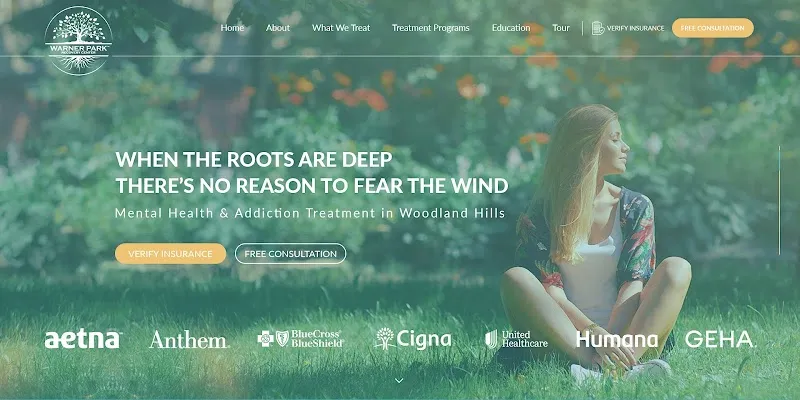
Major Insurers in Long Beach, CA
Several major insurance providers operate in Long Beach, and it's essential to know what each offers regarding addiction treatment coverage:
Aetna
- Coverage: Aetna covers inpatient and outpatient addiction treatment, including detox and medication-assisted treatment (MAT).
- Action Step: Contact Aetna directly to confirm your specific plan's coverage details.
Blue Cross Blue Shield (BCBS)
- Coverage: BCBS provides comprehensive coverage for both inpatient and outpatient services, including counseling and MAT.
- Action Step: Verify your benefits through the BCBS member portal or by calling customer service.
Cigna
- Coverage: Cigna covers various levels of care, including detox, residential treatment, and outpatient services.
- Action Step: Review your policy documents or contact Cigna to understand your coverage limits.
UnitedHealthcare
- Coverage: UnitedHealthcare generally covers addiction treatment, including inpatient care and outpatient therapy options.
- Action Step: Use the UnitedHealthcare website to check your coverage or call for assistance.
Humana
- Coverage: Humana includes coverage for both inpatient and outpatient addiction services, as well as MAT.
- Action Step: Reach out to Humana customer service to confirm your specific benefits.
Medicaid and Medicare Coverage
For individuals eligible for Medicaid or Medicare, addiction treatment services are typically covered:
Medicaid
- Coverage: Medicaid covers a range of services including detox, inpatient rehabilitation, outpatient counseling, and MAT.
- Action Step: Contact your local Medicaid office to find out what specific services are available in your area.
Medicare
- Coverage: Medicare Part A covers inpatient rehabilitation, while Part B covers outpatient services and therapy.
- Action Step: Check your Medicare plan details or call 1-800-MEDICARE for assistance.
How to Verify Benefits
Verifying your insurance benefits is a critical step in the process of seeking addiction treatment:
- Step 1: Gather your insurance card and personal information.
- Step 2: Call the customer service number on the back of your insurance card.
- Step 3: Ask specific questions about coverage for addiction treatment, including inpatient, outpatient, and MAT services.
- Step 4: Request written confirmation of your benefits for your records.
What is Typically Covered?
Insurance coverage for addiction treatment commonly includes:
- Detox: Medically supervised detoxification to manage withdrawal symptoms.
- Inpatient Treatment: Residential programs that provide comprehensive support and therapy.
- Outpatient Treatment: Programs that allow individuals to attend therapy while living at home.
- Medication-Assisted Treatment (MAT): Use of medications alongside counseling for substance use disorders.
The Appeals Process for Denied Claims
If your claim for addiction treatment services is denied, you have the right to appeal:
- Step 1: Review the denial letter to understand the reason for denial.
- Step 2: Gather additional documentation, such as medical records or letters from your healthcare provider.
- Step 3: Write an appeal letter outlining why you believe the claim should be approved.
- Step 4: Submit the appeal through the insurance company's specified process.
- Step 5: Follow up to confirm receipt and ask how long the review will take.
Options for Uninsured Patients
If you are uninsured, there are still options available for accessing addiction treatment:
- Sliding Scale Programs: Many treatment centers offer services based on your ability to pay.
- Scholarships: Some organizations provide financial assistance for treatment; inquire about availability.
- Community Resources: Look for local non-profits or community health organizations that offer free or low-cost services.
Conclusion
Navigating addiction treatment insurance in Long Beach, CA, can be complex, but understanding your options can empower you to seek the help you need. Whether you are covered by private insurance, Medicaid, or Medicare, or if you need to explore alternative funding options, remember that help is available. Take the action steps outlined in this guide, and don’t hesitate to reach out to treatment providers for additional support.