Choosing the right sober living home is a crucial step in your recovery journey. It can provide you with a supportive environment that fosters healing and growth. In Long Beach, CA, there are many options available, but not all sober living homes are created equal. This guide will help you navigate the process of finding a suitable home by detailing what to look for, red flags to avoid, and essential questions to ask. With the right information, you can make an informed decision that supports your recovery.
What Makes a Quality Sober Living Home?
A quality sober living home should provide a safe, structured, and supportive environment for individuals in recovery. Here are some key features to consider:
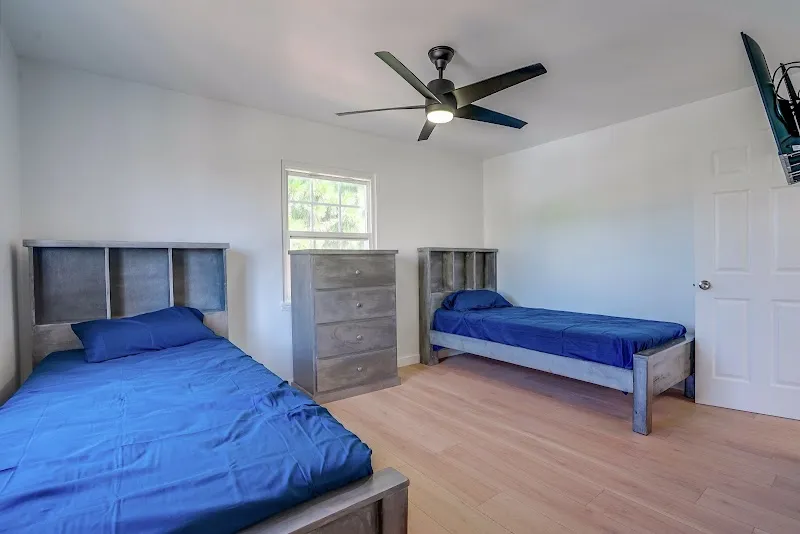
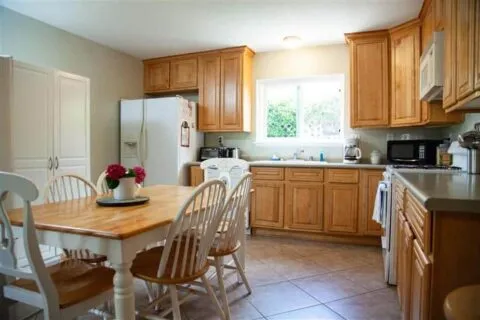
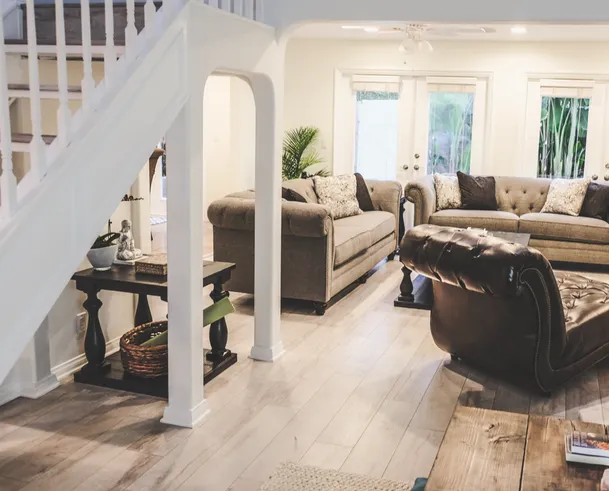
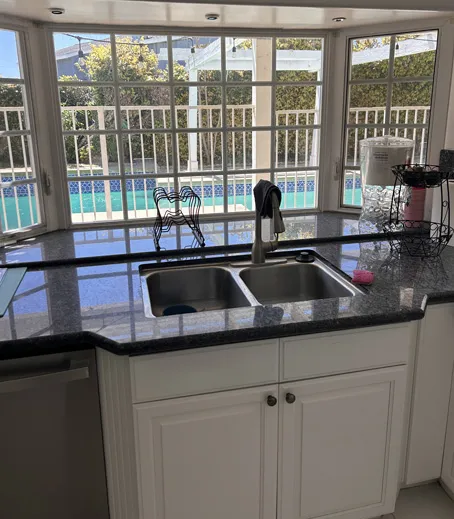
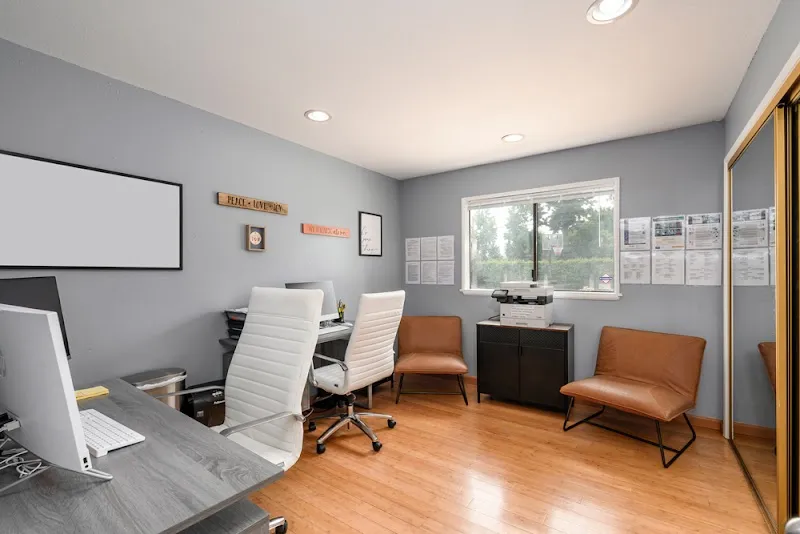
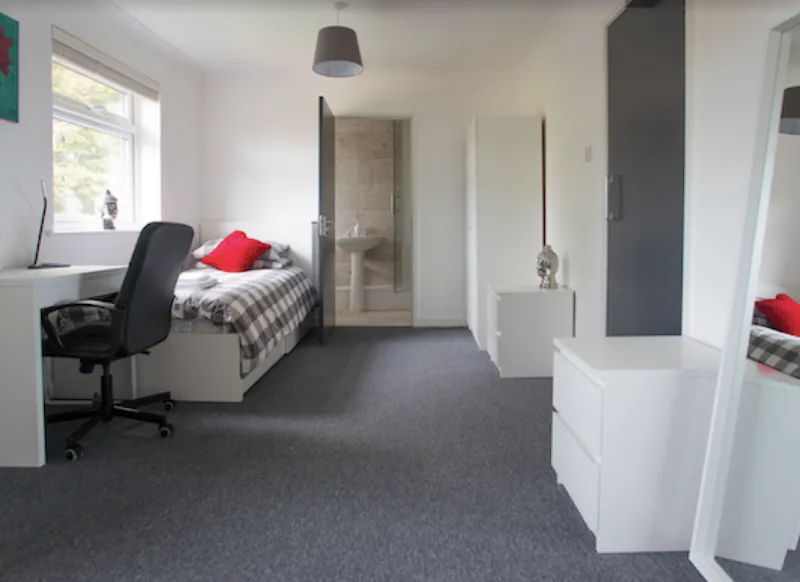
- Clean and Well-Maintained Facilities: The home should be clean, comfortable, and free from hazards.
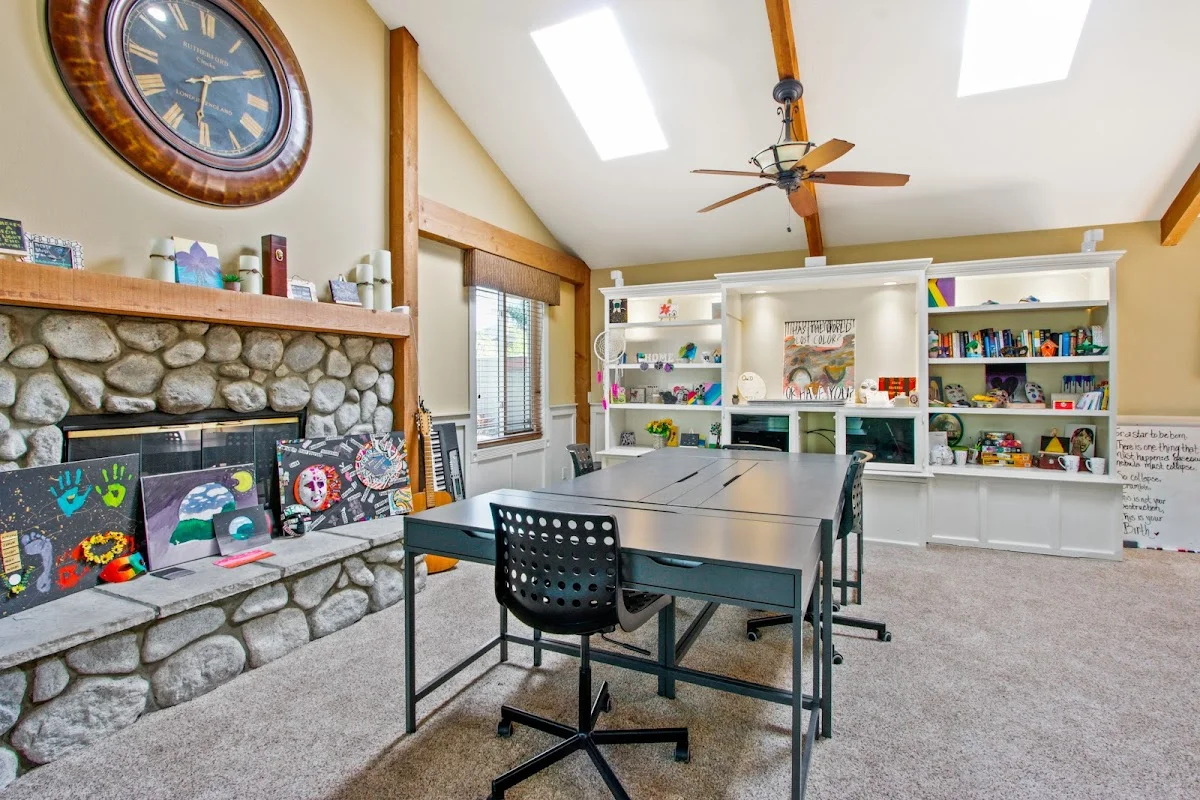
- Supportive Community: Residents should be encouraged to foster positive relationships and support one another.
- Staff Qualifications: Look for homes with trained staff who understand addiction and recovery.
- Structured Programs: Quality homes often have structured schedules that include meetings, counseling, and activities.
- Aftercare Resources: A good home will provide resources for ongoing support, including connections to local recovery programs.
Red Flags to Avoid
While searching for a sober living home, be mindful of potential red flags that may indicate a lack of quality or safety:
- Lack of Licensing: Ensure the home is licensed and follows state regulations.
- High Turnover Rates: Frequent changes in residents can indicate an unstable environment.
- Unclear Rules: If the house rules are vague or not communicated, it can lead to confusion and conflict.
- Limited Support Services: Homes that do not offer counseling or connection to recovery resources may not provide adequate support.
Questions to Ask During Tours
When visiting potential sober living homes, asking the right questions is essential for understanding the environment and expectations:
- What are the house rules? Understanding the expectations for residents can help you gauge if it aligns with your recovery goals.
- What support services are provided? Inquire about counseling, group meetings, and any additional resources available.
- What is the resident-to-staff ratio? A lower ratio often means more personalized attention and support.
- What happens if someone relapses? Knowing the policies regarding relapse can help you prepare for potential challenges.
- Are there any restrictions on visitors? Understanding visitor policies can help you maintain healthy boundaries.
House Rules and Expectations
Each sober living home will have its own set of rules and expectations that residents must follow. Common rules may include:
- Zero tolerance for drugs and alcohol.
- Requirements to attend 12-step meetings or counseling sessions.
- Regular drug testing to ensure compliance.
- Commitment to maintaining a clean living space.
- Active participation in household responsibilities.
Understanding these rules is vital to ensure you are comfortable and ready to comply with the expectations set forth by the home.
Cost and Financial Assistance
The cost of sober living homes in Long Beach can vary widely based on location, amenities, and services provided. Here are some considerations regarding cost:
- Average Costs: Typical monthly costs can range from $600 to over $2,000.
- Insurance Coverage: Check with your insurance provider to see if they cover sober living expenses.
- Sliding Scale Fees: Some homes offer reduced fees based on income or financial need.
- Scholarships and Grants: Research local organizations that may provide financial assistance for sober living.
The Difference Between Level 1 and Level 2 Sober Homes
Understanding the difference between Level 1 and Level 2 sober homes can help you choose the right fit for your needs:
- Level 1: These homes typically offer a more basic level of support, focusing on a safe environment with minimal structure. They may not provide extensive treatment services.
- Level 2: Level 2 homes offer more structured programs, including counseling, group therapy, and life skills training. They are often more intensive and supportive for those needing extra help.
How to Find Certified Sober Homes in Long Beach
Finding certified sober homes is crucial for ensuring quality care. Here are some steps to take:
- Check state licensing boards for approved sober living homes.
- Ask for recommendations from local recovery programs or therapists.
- Research online directories that list certified sober living homes.
- Connect with alumni or current residents to get personal insights.
Success Tips for Sober Living
Once you find a sober living home, here are some success tips to enhance your experience:
- Stay Committed: Fully engage in the program and follow house rules.
- Build a Support Network: Form connections with fellow residents and attend support meetings regularly.
- Set Personal Goals: Focus on your recovery and personal development while in sober living.
- Communicate Openly: Be honest about your feelings and challenges with staff and peers.
- Plan for the Future: Consider your next steps after sober living and how to maintain your recovery.
Choosing the right sober living home is a significant decision that can profoundly impact your recovery journey. By taking the time to research, ask questions, and reflect on your needs, you can find a supportive environment that fosters lasting change. Remember, you are not alone on this journey, and there is hope for a brighter future.